Product analytics in 2026: Five tactics from last year that won't work anymore
A review of tracking quality, first-party data, dashboard design and predictive analytics for product teams.

The playbook that growth and product teams relied on last year is already showing cracks. Third-party cookies are finally gone from Chrome for some users. Privacy regulations have teeth. And AI has moved from buzzword to baseline expectation. Teams still running their 2025 analytics stack are discovering something uncomfortable: the data they're collecting is increasingly incomplete, and the metrics they're tracking are increasingly meaningless.
The teams that adapt now won't just survive this shift. They'll gain a genuine edge over competitors still clinging to outdated approaches. Let's look at what's broken, what's changed, and what actually works in 2026.
The vanity metrics era is officially over
Remember when your weekly report included pageviews, social followers, and email list size? Those numbers felt reassuring. They went up. Stakeholders nodded approvingly. Everyone moved on.
Here's the problem. None of those metrics told you anything actionable. A spike in pageviews doesn't reveal whether visitors found what they needed. A growing follower count doesn't indicate purchase intent. These are vanity metrics, and in 2026, teams tracking them are essentially flying blind.
Research shows that AI and predictive analytics are replacing backward-looking metrics across the industry. Teams are moving from asking "what happened last month?" to "what will happen next quarter, and what should we do about it?" Vanity metrics are purely retrospective. They can't answer forward-looking questions.
The shift is stark. Seven out of eight marketers are now investing in advanced measurement methodologies like Marketing Mix Modelling. That's not a gradual trend. That's an industry-wide reset happening right now.
What works instead: Track metrics that directly connect to revenue or retention. Before adding any metric to your dashboard, ask yourself: "If this number changed tomorrow, what decision would I make?" If you can't answer that question clearly, the metric doesn't belong there.
Your Google Analytics setup from 2025 is probably leaking data
Google Analytics 4 was supposed to be the answer to privacy-first measurement. And it can be, if configured properly. The trouble is, most teams rushed their implementation when Universal Analytics shut down, and they've been working with incomplete data ever since.
The numbers are sobering. Over 60% of GA4 users still say they aren't comfortable with the platform, and one in ten say they find it actively challenging. Searches for basic GA4 help have surged, suggesting that teams are still struggling with fundamentals nearly two years after the forced migration.
But the bigger issue isn't the interface. It's what GA4 can't track without additional configuration. Client-side tracking, which is what most teams are running, faces increasing restrictions from ad blockers, privacy browsers, and platform limitations. If you're only running the standard GA4 setup, you're likely missing a significant chunk of your actual user behaviour.
Server-side tracking has become essential infrastructure, not a nice-to-have. Moving data collection to your servers improves accuracy, completeness, and compliance simultaneously. Companies using server-side setups report meaningful improvements in data quality. Yes, it requires more technical investment upfront. But the alternative is making decisions based on data that's missing full picture.
Third-party data dependence has become a liability
Companies have been over-relying on third-party data. In 2025, that was risky. In 2026, it's actively harmful.
With Chrome finally removing third-party cookie support for some users, the cross-site tracking that powered much of digital advertising faces challenges. If your attribution models, audience targeting, or personalisation strategies depended on third-party cookies, they're now broken by default.
The teams that saw this coming have been building first-party data strategies for years. They're now reaping the rewards. Research indicates that companies with strong first-party data strategies achieve nearly three times better customer retention rates and significantly higher marketing ROI compared to those still dependent on third-party sources.
First-party data collection needs to be your foundation. This means earning customer data through value exchange, not harvesting it through tracking. Email sign-ups, account creation, preference centres, and direct feedback all build your first-party data asset. It's slower than third-party data acquisition, but it's actually yours, and it's actually reliable.
Dashboard overload is killing decision-making
The average product team tracks too many metrics. Want to guess how many they actually act on? A handful at most.
This is what some call "dashboard theatre." Teams obsessing over charts while missing quota. Metrics multiplying while insights stagnate. The problem isn't too little data. It's too much noise drowning out the signal.
The research here is clear. Roughly 20% of KPIs explain 80% of results. Everything else is, at best, diagnostic context. At worst, it's a distraction that consumes hours of reporting time without influencing a single decision.
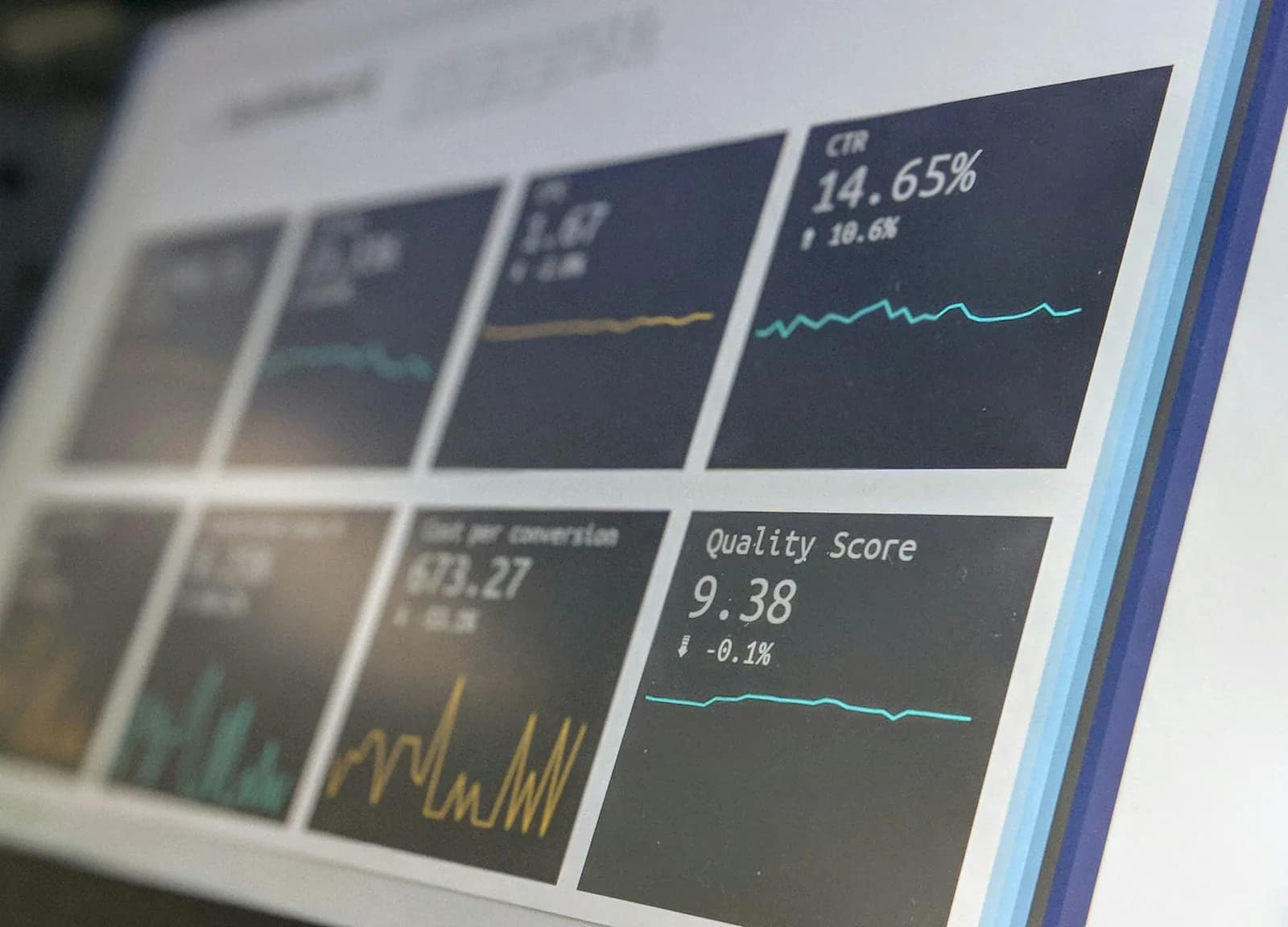
Your dashboard should fit on one screen without scrolling. Each chart should answer exactly one question. And that question should directly inform a decision your team can actually make.
We recommend aiming for one North Star metric that indicates overall business health. Three to five supporting metrics that directly influence your North Star. And then diagnostic metrics only, used for investigation when something looks off. Everything else? Delete it.
Backward-looking analysis is no longer enough
Traditional product analytics answered a simple question: what happened? Users visited these pages. They clicked these buttons. They converted or upgraded at this rate. All useful information, but all historical.
In 2026, the teams pulling ahead are the ones asking different questions. What will happen? Which users are likely to churn? Which features will drive retention? What should we build next?
This shift from descriptive to predictive analytics isn't just aspirational anymore. The tools have caught up. GA4 includes machine learning models that estimate user behaviour even when data is incomplete. Platforms like Amplitude and Mixpanel offer predictive capabilities as standard features. And AI tools can now surface patterns that would take analysts weeks to find manually.
The gap between teams using predictive analytics and those stuck on backward-looking reports is widening rapidly. One group is anticipating problems before they happen. The other is writing post-mortems.
Start with prediction use cases that have clear business value. Churn prediction is a natural starting point. If you can identify at-risk users before they leave, you can intervene. Similarly, conversion probability scoring can help you focus resources on users most likely to become customers. You don't need a data science team to get started. Modern product analytics platforms include these capabilities out of the box.
Where to start
Review your data quality, tracking setup and reporting needs. Choose one problem to fix first and check the result before expanding the work.