Why Data Doesn’t Improve Decisions And What Leaders Must Change
Start with the decision your team needs to make, then identify the data and analysis required to support it.

You’ve invested in data infrastructure, dashboards, and analytics talent. But do critical business decisions still feel as uncertain as ever? This is a common frustration. The assumption that more data automatically leads to better outcomes is not just incomplete it is a strategic liability.
Leaders are right to feel a tension between their data investments and the persistent ambiguity in their decision-making. The issue usually isn’t a lack of data, it’s that the torrent of information often obscures the one thing that matters: a clear path to a better decision. The solution is not more data, but a fundamental shift in how leaders think about the decision-making process itself.
Why data-first fails
Many organisations today operate under a “data-first” paradigm. They collect vast oceans of information, build sophisticated models to analyse it, and then search for interesting patterns that might inform a business action. This approach is flawed because it starts with the answer (the data) and works backward to find a suitable question that fits.
This orientation creates three distinct organisational risks:
The Data-First Trap
Teams become so focused on managing and analysing the data they have that they lose sight of the decisions that actually drive the business forward. They answer questions that are easy to ask with the available data, not the questions that are most critical to the business.
Analysis Paralysis
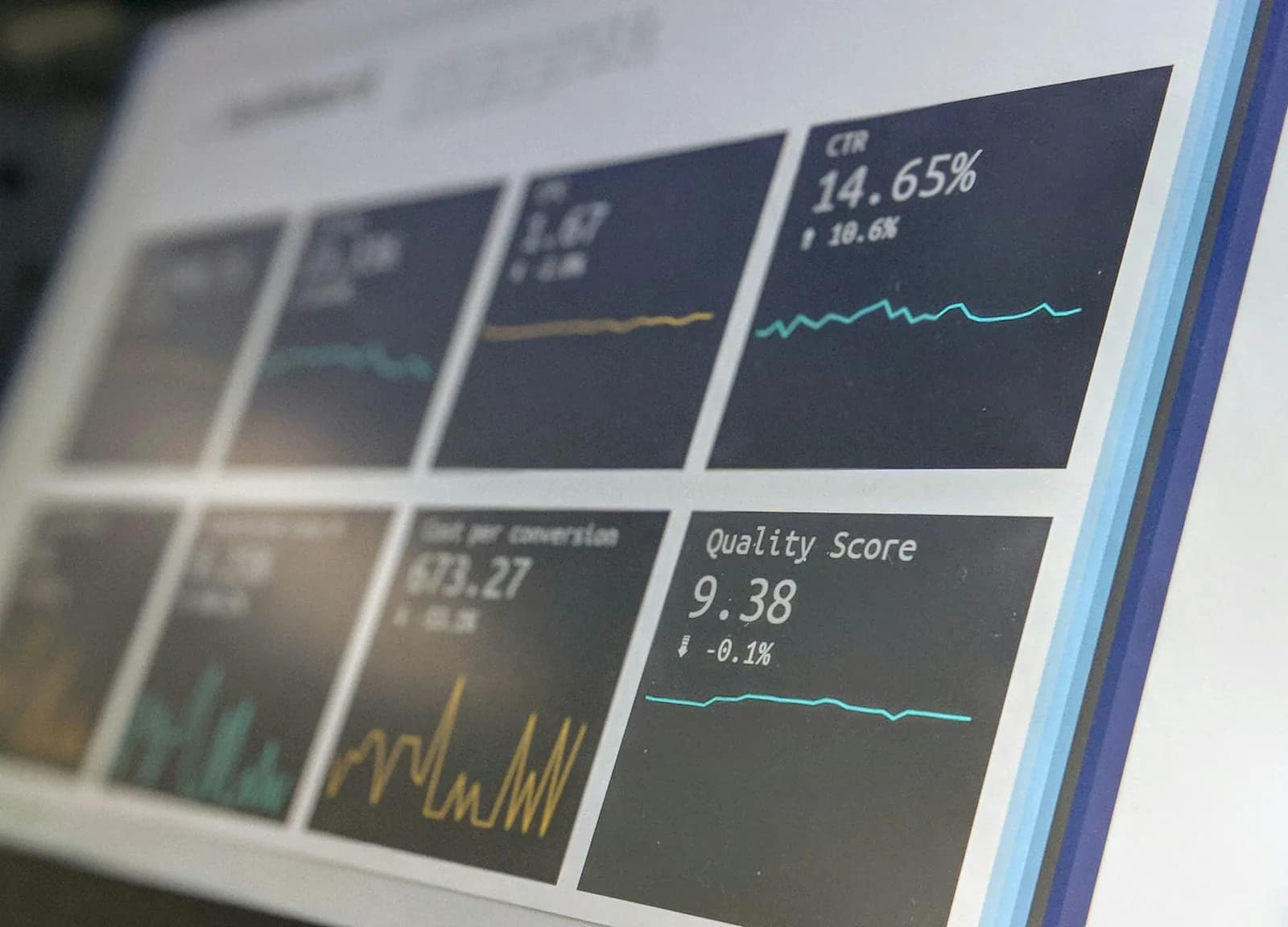
Leaders are presented with sprawling dashboards and complex reports which create an illusion of control. But in reality this information overload makes it difficult to distinguish signal from noise, leading to indecision or a retreat to familiar gut instincts.
Confirmation Bias at Scale
Instead of challenging assumptions, data is often used to validate a predetermined course of action. The analytical horsepower of the organisation is used to build a compelling case for a decision that has already been made, rather than to rigorously evaluate the alternatives.
The underlying issue often missed
The root cause of this is structural, not technical. It is a failure of the organisational operating model. The problem lies in the absence of a structured decision architecture. Organisations have data strategies, but few have decision strategies. A formal process for defining what decisions need to be made, who is accountable for them, and, most importantly, what specific information is required to make them with confidence.
Culture, not technology, is the primary barrier to realising value from data. One report found that over 90% of executives point to cultural and people issues as the top impediment1. This is because the data-first approach fails to account for the human element. The psychology, incentives, and biases that shape how people interpret and act on information.
What good looks like
High-performing organisations do not start with the data available; they start with the decision required.
Practice Decision-Driven Analytics: This approach, which can be called “decision-driven analytics,” inverts the conventional model. It begins by clearly articulating the decision that needs to be made and then works backward to identify the specific, minimal data required to make that choice.
As one expert puts it, the goal is to “find data for a purpose, not a purpose for data”2. For example, instead of asking a predictive question like, “Which customers are most likely to churn?” they ask a causal question: “What is the impact of a specific intervention on a customer’s likelihood to churn?”. You can see that the first question is about forecasting; the second is about making a decision.
Build a Decision Architecture: These organisations don’t leave decision-making to chance. They design and implement a clear operating model that specifies how critical decisions are made. This includes defining the roles of decision-makers, the criteria for evaluation, and the process for gathering and debating the evidence. This structure provides the discipline needed to overcome individual biases and organisational inertia.
A decision framework for leaders
To shift your organisation toward a more effective, decision-driven approach, leaders can use a simple but powerful mental model. Before launching a major analytics initiative ask your team to answer these five questions:
Question
Purpose
What is the precise decision we need to make?
Forces clarity and moves beyond vague problem statements.
What are the viable alternatives we are choosing between?
Ensures that the analysis is focused on a real choice, not just an interesting exploration.
What specific piece of information would change our choice?
Identifies the critical data point (swing factor) that will determine the outcome.
How can we acquire that specific information?
Determines whether the necessary data exists or if it needs to be generated through an experiment or pilot.
How will we act if the information points to each alternative?
Commits the team to a course of action in advance, preventing analysis from becoming a delaying tactic.
This framework forces a conversation that is fundamentally about action, not just analysis. It aligns the organisation’s analytical resources directly with high-value decisions.
Business impact and risk
The consequences of continuing with a flawed, data-first approach are significant. They include wasted investment in technology, missed opportunities, and a false sense of security from decisions that are “data-backed” but fundamentally misguided. The cost of poor data quality and misaligned analysis can lead to direct financial losses and a long-term erosion of competitive advantage3.
The upside of adopting a decision-driven model is substantial. Organisations that master this approach are not only more likely to make better decisions, but they are also significantly faster. Research by McKinsey shows that firms with effective data practices are as much as five times more likely to make decisions faster than their peers4 who lack these capabilities. This agility is a decisive competitive advantage as the pace of business ever continues to increase.
Define the decision, the alternatives and the evidence needed before commissioning more analysis. Assign someone to make the decision and agree when it will be reviewed.
References and further reading
[1] “Why Data-Driven Decision Making Is So Difficult in Modern Organizations.” Medium, accessed January 12, 2026. https://medium.com/@alexdh359/why-data-driven-decision-making-is-so-difficult-in-modern-organizations-0df305352576
[2] “How letting go of data-driven decision-making can lead to making better decisions.” Vlerick Business School, July 2, 2024. https://www.vlerick.com/en/insights/why-is-thinking-without-data-the-key-to-making-better-decisions/
[3] “Data Quality Issues and Challenges.” IBM, November 25, 2025. https://www.ibm.com/think/insights/data-quality-issues
[4] “How to Leverage Analytics for Data-Driven Decision-Making As CEO.” The CEO Project, April 7, 2025. https://theceoproject.com/how-to-leverage-analytics-for-data-driven-decision-making-as-ceo/